
Watching your child struggle with posture changes or an uneven spine can be worrying for any parent. Scoliosis is a condition that causes the spine to curve sideways, and although it often develops during childhood or adolescence, early intervention can significantly improve long-term outcomes. Fortunately, physiotherapy has become one of the most effective non-surgical treatment options for managing scoliosis, improving movement, and helping children stay active as they grow.
If you are considering Physiotherapy for scoliosis in children in London, understanding what happens during treatment can help you feel more confident about your child’s care. Physiotherapy is not simply about exercises—it is a personalised programme designed to support spinal health, improve posture, strengthen muscles, and encourage healthy physical development. Every child’s condition is different, which is why treatment is always tailored to individual needs.
Scoliosis is a spinal condition where the backbone curves sideways instead of remaining straight. The curve may be mild, moderate, or severe, and in many cases, it develops during growth spurts between the ages of 10 and 16. Some children experience no discomfort in the early stages, while others may notice changes in posture, balance, or flexibility.
Parents are often the first to notice that one shoulder appears higher than the other or that clothing no longer fits evenly. In some children, one hip may stick out more, or the rib cage may become more prominent on one side. Although these changes may seem minor initially, they should always be assessed by a healthcare professional.
Choosing Physiotherapy for scoliosis in children in London at an early stage allows therapists to monitor spinal development and create an individual treatment plan that supports healthy growth while reducing the risk of the curve progressing.
The first physiotherapy appointment focuses on understanding your child’s condition rather than beginning intensive treatment immediately. A detailed assessment helps the physiotherapist identify the severity of the spinal curve, movement restrictions, muscle strength, posture, and balance.
The therapist will ask about your child’s medical history, daily activities, physical development, and any discomfort they may be experiencing. They will also observe how your child stands, walks, bends, and moves during different activities.
If X-rays or specialist reports are available, these may be reviewed to gain a clearer understanding of the spinal curve. By combining medical information with physical assessment findings, the physiotherapist develops a personalised treatment programme that matches your child’s specific needs.
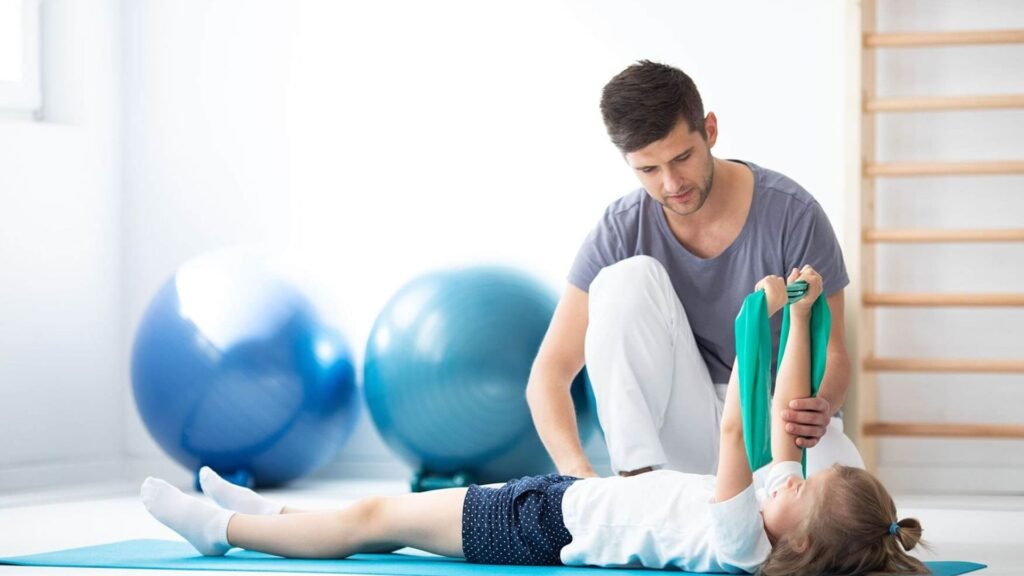
One of the biggest advantages of physiotherapy is that every treatment programme is tailored to the child rather than following a standard routine. The aim is to improve posture, strengthen the muscles supporting the spine, and encourage symmetrical movement patterns throughout daily life.
Exercises are introduced gradually so children can build strength without feeling overwhelmed. Core stability exercises are particularly important because strong abdominal and back muscles help support the spine as children continue to grow. Stretching techniques are also included to reduce muscle tightness and improve flexibility around the spine, shoulders, and hips.
Another important aspect of Physiotherapy for scoliosis in children in London is movement education. Children learn how to sit correctly at school, carry backpacks safely, and maintain better posture during everyday activities. These practical habits complement the exercise programme and help reinforce long-term improvements.
Children’s bodies change rapidly, especially during growth spurts. Because scoliosis can progress as the spine develops, physiotherapy involves regular reviews to monitor changes and adapt treatment accordingly.
At follow-up appointments, the physiotherapist checks posture, muscle strength, flexibility, balance, and movement patterns. Exercises are gradually adjusted to match your child’s development and ensure they continue making progress safely.
Regular monitoring also gives parents the opportunity to discuss any concerns, ask questions, and understand how treatment is supporting their child’s spinal health.
One of the most common questions parents ask is whether physiotherapy can prevent surgery. The answer depends on the severity of the spinal curve and how early treatment begins.
For children with mild to moderate scoliosis, physiotherapy may help improve posture, increase muscular support, and slow the progression of the curve. While physiotherapy cannot completely straighten every curved spine, it plays an important role in improving function, reducing muscle imbalance, and helping children remain active and confident.
When combined with regular medical monitoring, physiotherapy often becomes an essential part of long-term scoliosis management.
Some children diagnosed with scoliosis also have unusually flexible joints. This condition, commonly referred to as Child Hypermobility in London, can affect stability, coordination, and muscle endurance.
Children with hypermobility often rely more heavily on their ligaments than their muscles, making it harder to maintain proper posture. They may also experience fatigue more quickly during physical activity.
When scoliosis and hypermobility occur together, physiotherapy programmes are carefully adapted to improve joint stability while strengthening the muscles that support the spine. This balanced approach helps children move more efficiently and reduces unnecessary strain on their bodies.
Physiotherapy sessions are only one part of successful treatment. The progress children make in the clinic is reinforced by the support they receive at home.
Parents can encourage their child to complete prescribed exercises consistently, maintain good posture while studying, stay physically active, and attend regular review appointments. Positive encouragement is equally important, as children often feel more motivated when they see their progress being recognised.
Simple lifestyle habits such as choosing supportive footwear, limiting prolonged sitting, and encouraging regular movement throughout the day can also contribute to better spinal health.
Finding the right physiotherapist is just as important as beginning treatment early. A clinic specialising in paediatric physiotherapy understands that children require different techniques, communication styles, and exercise programmes from adults.
When searching for Physiotherapy for scoliosis in children in London, look for professionals who provide detailed assessments, evidence-based treatment plans, regular progress reviews, and a welcoming environment where children feel comfortable. Family involvement is also essential, as parents play an important role in supporting treatment outside the clinic.
Clinics that have experience managing Child Hypermobility in London alongside scoliosis can offer more comprehensive care when both conditions are present.
Many families trust Adelaide Children’s Physio because of its personalised and child-focused approach to physiotherapy. Every treatment plan is designed around the individual child’s needs, ensuring that therapy is engaging, practical, and tailored to their stage of development.
Whether a child requires support for scoliosis, posture correction, or Child Hypermobility in London, the experienced team at Adelaide Children’s Physioworks closely with families to help children build strength, confidence, and lifelong healthy movement habits.
Scoliosis can feel overwhelming for both children and parents, but the right support at the right time can make a meaningful difference. Physiotherapy provides a safe, evidence-based approach that helps children improve posture, strengthen supporting muscles, enhance flexibility, and stay active throughout their growing years.
Choosing Physiotherapy for scoliosis in children in London means giving your child access to personalised care that focuses on long-term health rather than simply managing symptoms. With early assessment, consistent therapy, and guidance from experienced paediatric physiotherapists, children can develop stronger movement patterns, greater confidence, and a healthier future.