
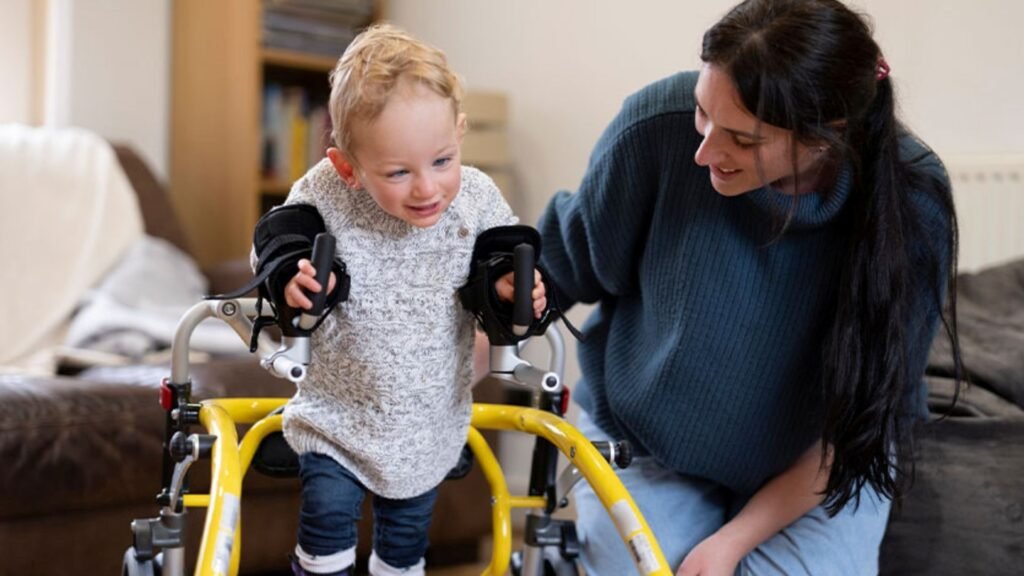
For families looking for Pediatric Cerebral Palsy in London, understanding the role of physiotherapy can make the treatment journey feel more manageable. Cerebral palsy can affect movement, muscle tone, balance, posture, and coordination in different ways, and every child’s needs are different. With the right assessment and an individualized therapy plan, physiotherapy can help children develop functional movement skills and participate more confidently in everyday activities.
Cerebral palsy is a neurological condition that can affect how a child controls movement and posture. Some children may experience muscle stiffness, while others may have reduced muscle tone, involuntary movements, or difficulties with balance and coordination.
The way cerebral palsy affects a child can vary considerably. One child may have difficulty walking or standing, while another may mainly struggle with hand coordination, posture, or using one side of the body.
This is why physiotherapy should not follow a one-size-fits-all approach. A detailed assessment helps identify the child’s current abilities, challenges, and goals before deciding which treatment strategies may be appropriate.
Physiotherapy focuses on helping children use their movement abilities more effectively. Depending on the child’s needs, sessions may work on strength, flexibility, balance, coordination, posture, walking, and functional activities.
The aim is not simply to complete exercises. Therapy can be connected to activities that matter to the child, such as getting up from the floor, walking, playing, climbing stairs, using playground equipment, or taking part in school activities.
At Adelaide Children’s Physio, treatment is tailored around each child’s needs, with assessments used to establish goals and guide an individualised programme. The clinic also uses play-based approaches to make lessons engaging for children.
There are several areas that a pediatric physiotherapist may address. The specific combination will depend on the child’s abilities, age, and treatment goals.
1. Strength and Muscle Control
Some children with cerebral palsy have difficulty producing controlled movements or maintaining stability during activities. Appropriate strengthening activities can help improve the muscles needed for sitting, standing, walking, and other functional tasks.
Exercises should be selected according to the child’s ability rather than simply increasing resistance. A physiotherapist can monitor movement quality and adjust activities as the child develops.
2. Stretching and Flexibility
Changes in muscle tone can sometimes make certain movements difficult. Gentle stretching and positioning strategies may form part of a child’s physiotherapy program when clinically appropriate.
The goal is to help preserve useful movement and make everyday activities more comfortable and manageable.
3. Balance and Coordination
Balance plays an important role in activities such as standing, walking, reaching, and playing. Physiotherapy may include games and movement activities that encourage children to practice balance and coordination in an enjoyable way.
These activities can also help children become more confident when trying new movements.
4. Walking and Gait Training
Walking may look different in children with cerebral palsy. Some children may have difficulty with foot placement, step length, balance, or controlling their legs during movement.
A pediatric physiotherapist can assess walking patterns and identify areas that may benefit from targeted therapy. Gait-focused activities can then be incorporated into treatment according to the child’s needs.
Adelaide Children’s Physio provides posture and gait analysis as part of its paediatric physiotherapy services, helping therapists understand how a child moves and where improvements may be possible.
5. Posture and Functional Movement
Good postural control can make everyday movements easier. Children may work on sitting balance, standing alignment, transitions between positions, and controlled movement during play.
Rather than focusing only on isolated exercises, therapy can connect these skills with practical activities the child performs at home, in the nursery, or in school.
6. Play-Based Physiotherapy
For young children, traditional exercise can sometimes feel repetitive. Turning therapeutic activities into games can make sessions more enjoyable and encourage children to practice movements without feeling that they are simply exercising.
Play-based physiotherapy may include reaching games, obstacle activities, balance challenges, movement games, and age-appropriate tasks.
Adelaide Children’s Physio describes its approach as child-friendly and play-based, with sessions designed around children’s interests and abilities.
Early assessment can help parents understand their child’s movement patterns and identify areas that may need attention. It also gives families an opportunity to learn practical strategies that can be incorporated into daily routines.
This does not mean every child needs intensive therapy. The appropriate level and frequency of treatment depend on the child’s individual presentation and goals.
Regular reviews can also be useful as children grow. Their physical abilities, school activities, interests, and everyday challenges can change over time, so therapy goals may need to change with them.
Physiotherapy does not have to happen only during appointments. Simple movement opportunities can often be included in a child’s normal routine.
For example, parents may encourage safe opportunities for:
A physiotherapist can explain which activities are suitable for a particular child and how they can be performed safely.
Family involvement is an important part of pediatric physiotherapy. Adelaide Children’s Physio provides guidance for parents and home-based strategies that can complement therapy sessions.
When searching for pediatric cerebral palsy in London, parents may come across many different treatment approaches. Instead of choosing a program simply because it is popular, it is worth considering whether the physiotherapist understands your child’s specific needs.
Look for a service that:
A positive therapeutic relationship also matters. Children are more likely to participate when they feel comfortable, understood, and involved in their sessions.
An initial assessment generally involves discussing the child’s medical and developmental history, current abilities, and areas of concern. The physiotherapist may observe posture, movement, balance, walking, and functional activities.
Parents can also explain what they would like their child to achieve. These goals could range from improving walking and balance to becoming more independent with everyday activities.
The information gathered during the assessment can then be used to create a treatment plan that reflects the child’s individual needs.
Choosing pediatric cerebral palsy services in London is an important decision for families. Parents should feel comfortable asking questions about the assessment process, treatment goals, expected progress, and how they can participate at home.
Adelaide Children’s Physio provides paediatric physiotherapy for children aged from birth to 18 years and treats neurological conditions, including cerebral palsy. Its services include assessment, rehabilitation, posture and gait analysis, neuromuscular therapy, and developmental physiotherapy.
The clinic serves families in areas including Westminster, Kensington, Mayfair, and Chelsea, with clinic-based and home physiotherapy options available where appropriate.
Cerebral palsy affects every child differently, so physiotherapy should be built around the individual rather than a standard program. With appropriate assessment, realistic goals, and engaging activities, therapy can focus on useful movement skills that matter in everyday life.
For parents, the most important step is understanding what your child needs now and how therapy can adapt as they grow. Working closely with a qualified pediatric physiotherapist can help create a practical plan that encourages movement, participation, and greater independence over time.
If you have concerns about your child’s movement, balance, posture, or development, consider scheduling an assessment with Adelaide Children’s Physio. A personalized evaluation can help identify your child’s needs and guide the next steps in their physiotherapy journey.
1. Can physiotherapy help a child with cerebral palsy?
Yes. Physiotherapy can focus on areas such as strength, balance, posture, coordination, mobility, and functional movement. The specific goals depend on each child’s abilities and needs.
2. At what age can a child with cerebral palsy start physiotherapy?
Physiotherapy can be considered from infancy when developmental or movement concerns are identified. Early assessment can help families understand their child’s needs and plan appropriate intervention.
3. What happens during cerebral palsy physiotherapy?
A session may include movement practice, strengthening, balance activities, stretching, gait training, posture work, and play-based exercises. Activities are selected according to the child’s goals and abilities.
4. Can physiotherapy improve walking?
Physiotherapy may help improve aspects of walking such as balance, strength, coordination, posture, and movement control. Progress varies from child to child and depends on the individual’s condition.
5. Is play-based physiotherapy suitable for children with cerebral palsy?
Play-based activities can make therapy more engaging for children. Games and age-appropriate movement tasks can be used to practise balance, coordination, strength and functional skills.
6. Can parents continue physiotherapy activities at home?
Yes, a physiotherapist may provide suitable home activities based on the child’s treatment goals. Parents should follow professional guidance and avoid introducing exercises that have not been recommended for their child.
7. How often does a child need physiotherapy?
There is no single schedule for every child. Frequency depends on the child’s condition, goals, age, current abilities, and response to treatment. The physiotherapist can recommend an appropriate plan after assessment.
8. Where does Adelaide Children’s Physio provide treatment?
Adelaide Children’s Physio is based in London and serves areas including Westminster, Kensington, Mayfair, and Chelsea. Clinic appointments and home visits may be available depending on individual circumstances.