
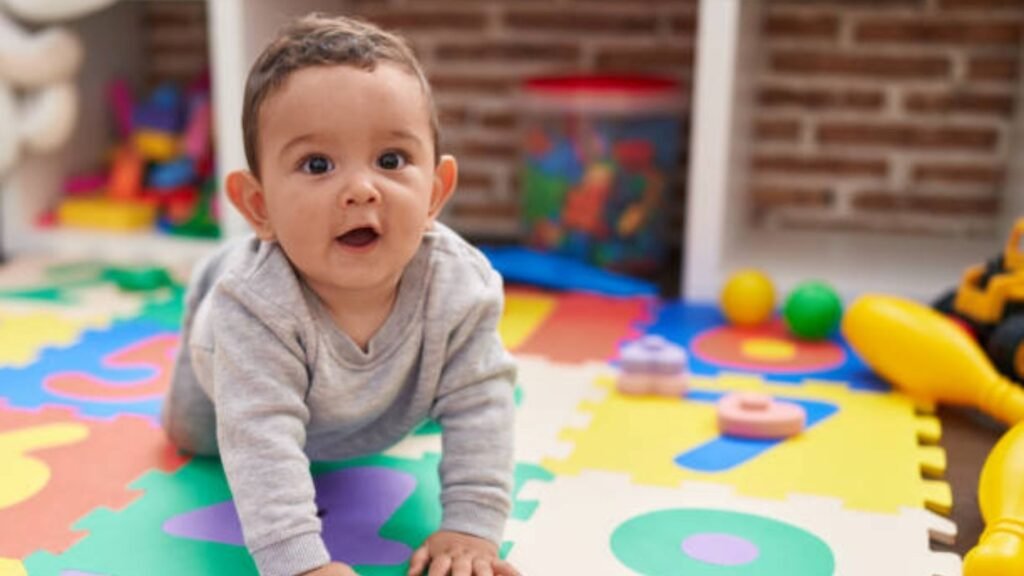
Every child develops at their own pace, and the journey from crawling to walking is filled with exciting milestones. For parents, it can also bring questions about whether their child is developing as expected. A Child Development Assessment in Kensington can provide helpful guidance by looking at movement, coordination, balance, and other areas of early development. Understanding what to expect and knowing how to support your child can make these early years more enjoyable and reassuring.
Walking does not happen overnight. Before a child takes those first independent steps, they develop strength, coordination, confidence and body awareness through a series of smaller achievements. From tummy time and rolling to crawling, standing and cruising around furniture, each stage helps prepare their body for the next.
Children do not all follow the same developmental timeline. Some babies crawl early, while others use different ways of moving around or skip traditional crawling altogether. Some children begin walking soon after pulling themselves up, while others spend longer practising their balance.
Rather than focusing on a specific age, it is useful to look at the overall pattern of development. Your child should gradually become more confident with movement and increasingly able to use their body for play and everyday activities.
Early movement skills may include:
These milestones are connected. The strength and coordination developed during earlier movements help children prepare for standing and walking.
Crawling is more than simply a way for babies to get from one place to another. It gives children opportunities to practise using both sides of their bodies while developing strength through their arms, shoulders, hips and legs.
As babies crawl, they also learn how to shift their weight, coordinate their movements and navigate different spaces. These skills can contribute to developing balance and body awareness.
If your child does not crawl traditionally, there is not necessarily a reason for concern. Children may bottom shuffle, roll, commando crawl or find another way to move. What matters is their ability to move, play and gradually develop new physical skills.
If you have concerns about your child’s progress, a Child Development Assessment in Kensington can help identify areas that may benefit from additional support.
Children learn physical skills naturally through everyday play. You do not need complicated equipment or structured exercises to encourage development.
Make Floor Play Part of the Day
Give your child regular opportunities to play on the floor. Place interesting toys within reach to encourage them to turn, stretch, roll, reach, and move towards objects.
Tummy time is particularly useful for babies who are developing head, neck and upper-body strength. Keep activities enjoyable and follow your child’s cues.
Encourage Reaching and Movement
Place toys slightly to one side rather than directly in front of your child. This can encourage them to reach, rotate, and shift their weight.
As they become more mobile, you can create safe opportunities for them to move towards favourite toys or family members.
Provide Safe Opportunities to Stand
Once your child begins pulling up, sturdy furniture can provide opportunities to practise standing and cruising. Make sure the surrounding area is safe and remove objects that could cause falls or injury.
Allowing children to practise at their own pace can help them develop confidence as well as physical ability.
Balance plays an important role in learning to walk. Before children can walk independently, they need to learn how to control their body while sitting, kneeling, standing and changing positions.
You may notice your child repeatedly standing up and sitting down, holding onto furniture or briefly letting go. These attempts are all part of the learning process.
Simple play activities can encourage balance. For example, placing toys on a low, stable surface can encourage your child to move between sitting, kneeling, and standing. Always supervise your child and make sure the environment is appropriate for their stage of development.
Every child is different, but parents should feel comfortable asking for professional advice if something does not seem right.
You may wish to seek guidance if your child:
A developmental assessment does not mean that something is necessarily wrong. It can simply provide a clearer understanding of your child’s strengths and areas where they may need extra encouragement.
A Child Development Assessment in Kensington can consider your child’s individual movement patterns and development rather than relying solely on age-based expectations.
It is easy to compare your child with siblings, friends or children seen online. However, comparisons can create unnecessary worry.
Many factors, including opportunities for movement, personality, environment, and individual differences, influence development. Two children of the same age can reach the same milestone at different times while both developing well.
Instead of asking, “Why isn’t my child doing what another child is doing?”,consider whether your child is making gradual progress.
Professional guidance can be particularly useful when you are unsure whether a difference in development is simply part of your child’s individual pattern or something that deserves closer attention.
Children’s physiotherapy focuses on helping children develop movement skills in ways that are appropriate for their age and abilities. Depending on the child’s needs, support may involve improving strength, coordination, balance, posture, mobility or confidence.
A physiotherapist can assess how a child moves during play and everyday activities and provide practical suggestions that parents can incorporate into normal routines.
The aim is not to rush a child into walking. Instead, appropriate support can help them build the foundations they need to move confidently and safely.
Perhaps the most important thing parents can do is make movement enjoyable.
Play games that encourage reaching, crawling, climbing, and standing. Give your child opportunities to explore safe spaces. Celebrate attempts rather than focusing only on successful milestones.
A child who is encouraged to move through enjoyable activities is more likely to build confidence in their own abilities. Your encouragement, patience, and presence can make a meaningful difference during this exciting stage.
From the first tummy-time movements to those unforgettable first steps, early development happens through countless small achievements. Crawling, rolling, sitting, standing and cruising all contribute to a child’s growing ability to move independently.
There is no single timetable that applies perfectly to every child. What matters is recognising your child’s individual progress and seeking advice when you have concerns.
If you are unsure about your child’s movement or developmental progress, professional assessment can offer reassurance and practical guidance. Adelaide Children’s Physio provides support for families looking to understand better and encourage their child’s physical development.
With the right support, everyday play and plenty of encouragement, you can help your child build confidence as they take each new step.
1. What age do children usually start walking?
Many children begin walking independently sometime between 9 and 18 months, although there is considerable individual variation. Some children walk earlier or later and still develop normally.
2. Does every child need to crawl before walking?
No. Some children do not use a traditional hands-and-knees crawling pattern. They may shuffle, roll, crawl in another way, or move directly from other forms of mobility towards standing and walking.
3. How can I encourage my baby to walk?
Provide plenty of safe floor play and opportunities to practise pulling up, cruising and standing. Use toys and everyday activities to encourage movement without putting pressure on your child.
4. When should I consider a developmental assessment?
Consider professional advice if you notice delays, unusual movement patterns, significant differences between the sides of the body, loss of previously gained skills or anything else that concerns you.
5. Can physiotherapy help a child who is late to walk?
Yes. A children’s physiotherapist can assess movement, strength, balance and coordination and provide individualised strategies to support your child’s development.